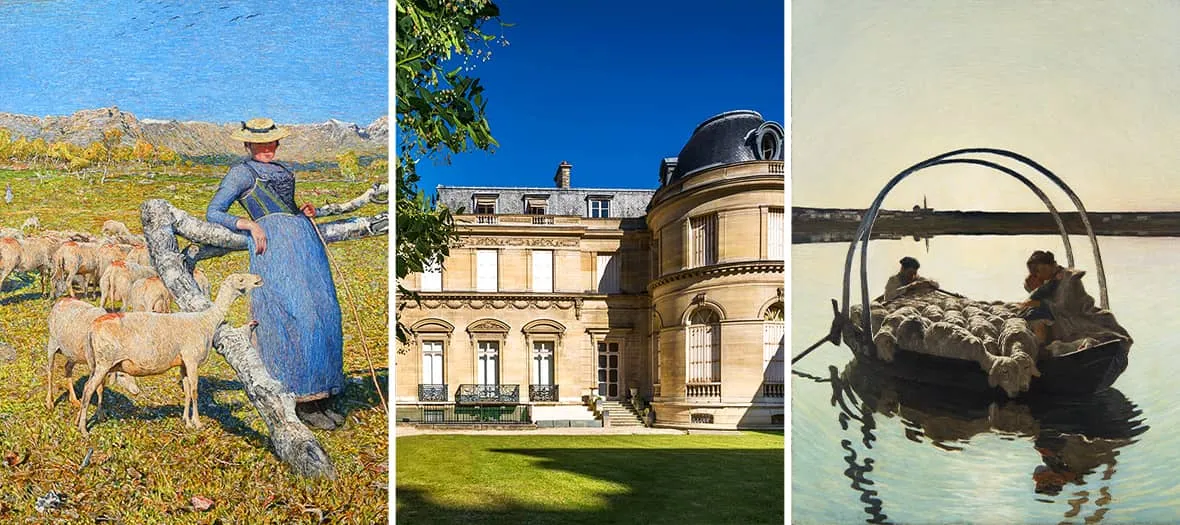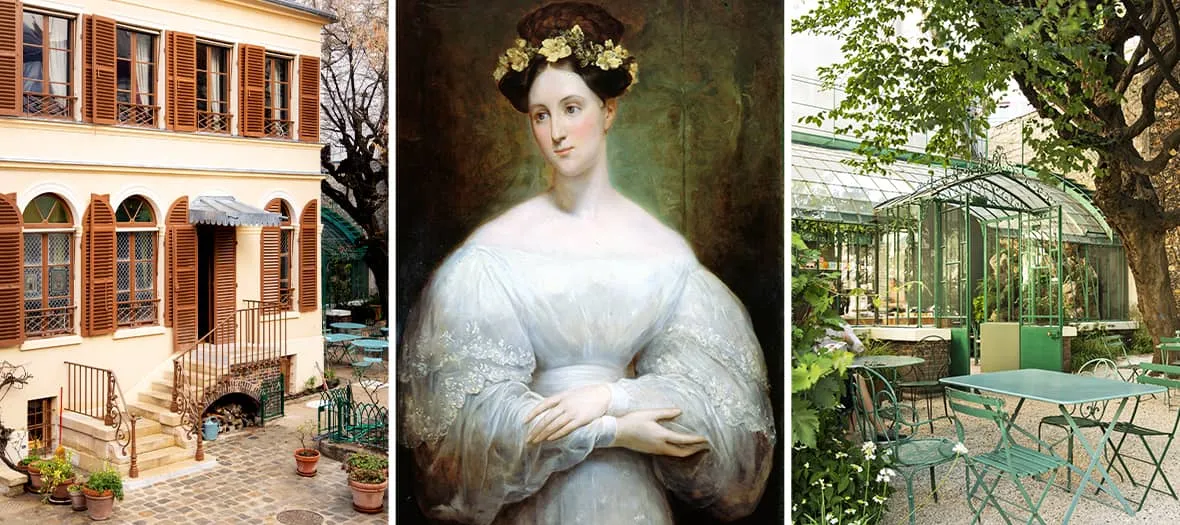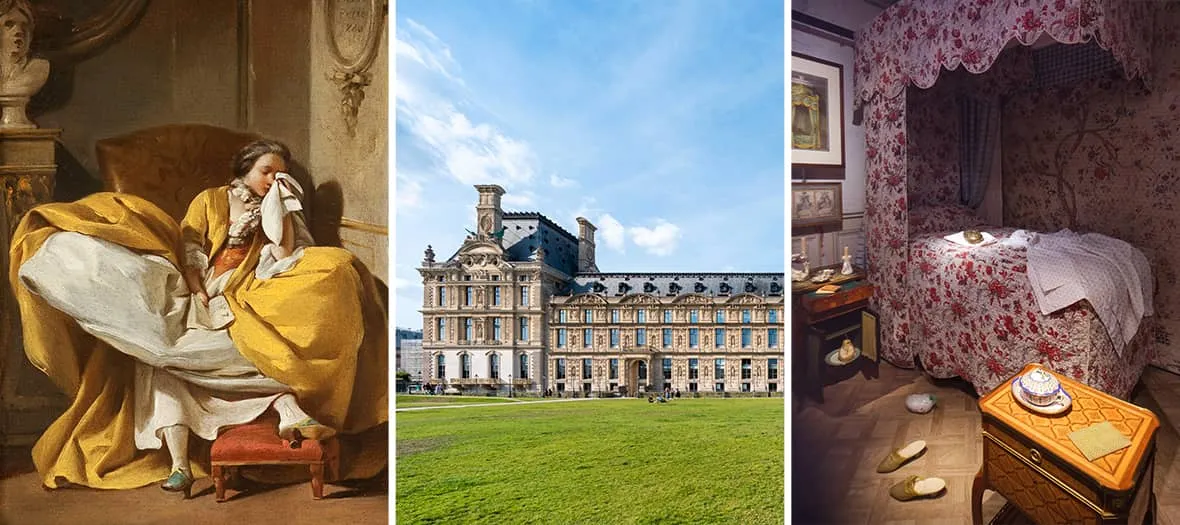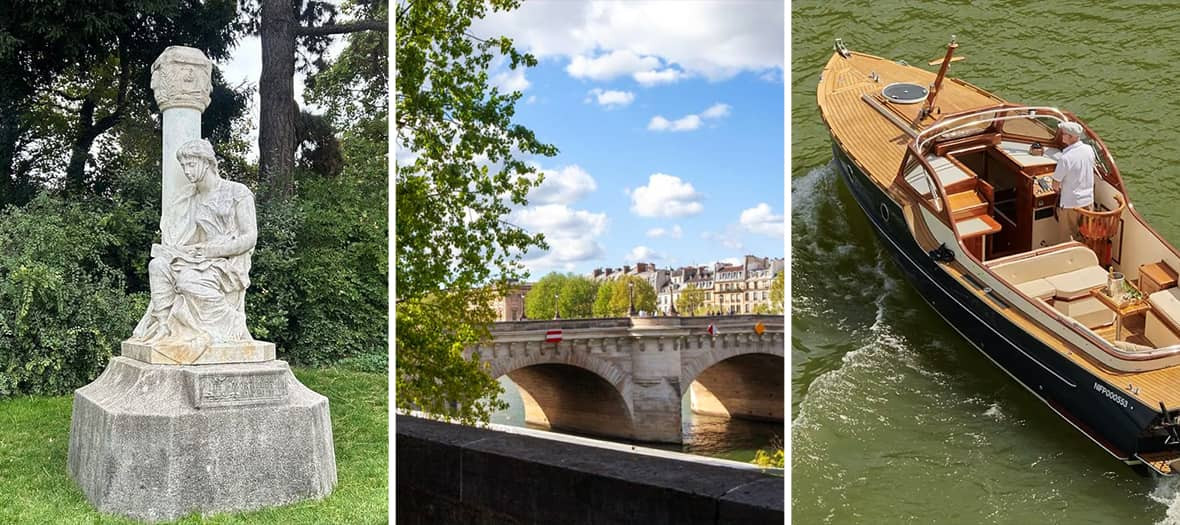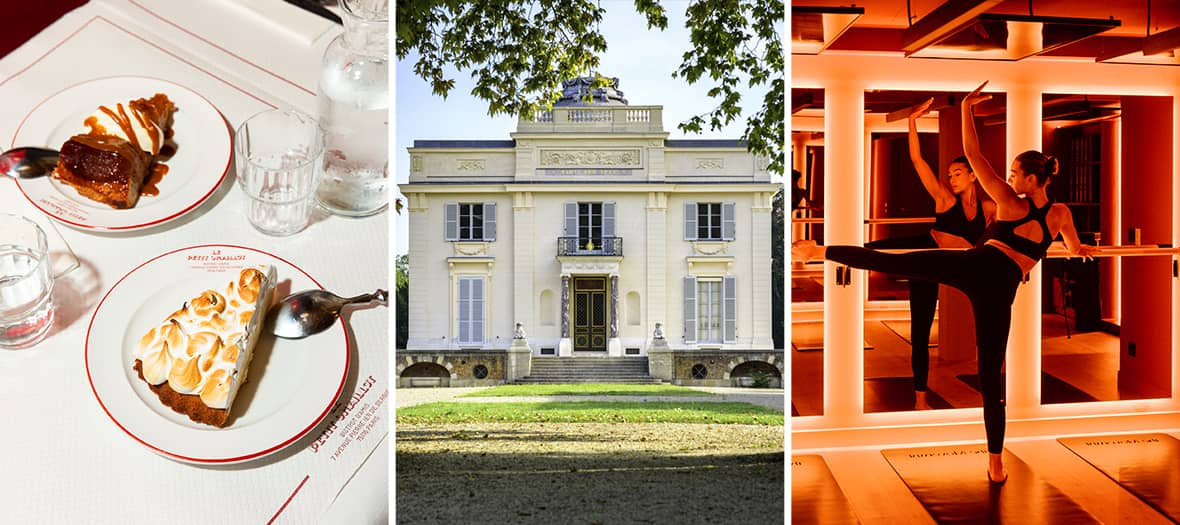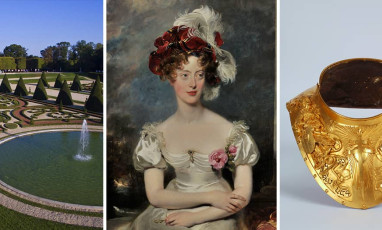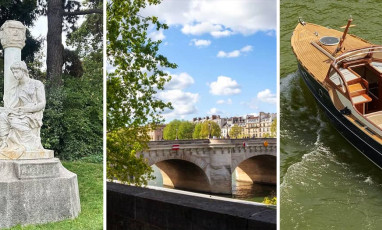



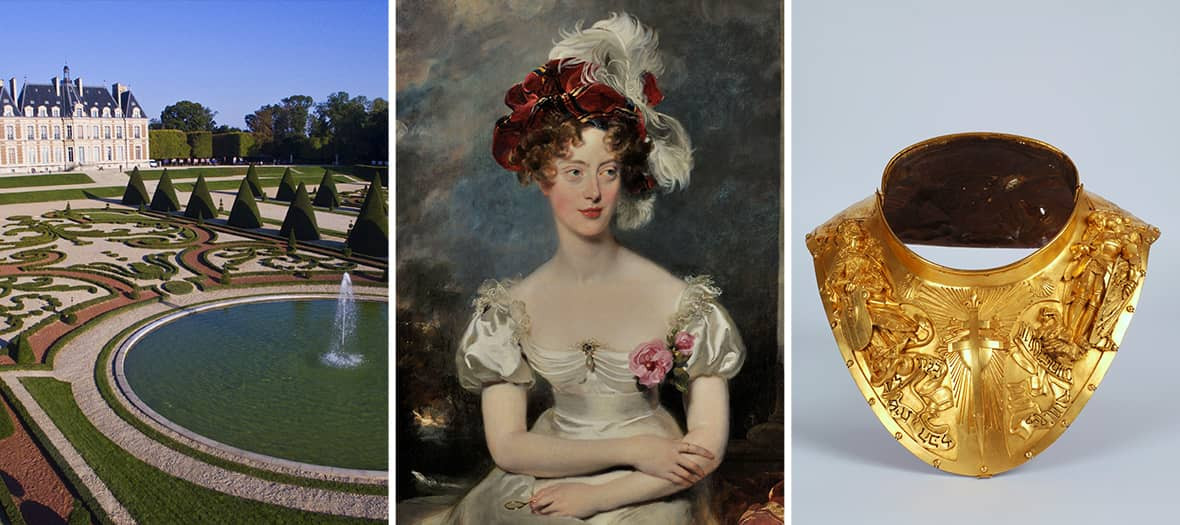
Domaine de Sceaux, park and departmental museum © CD92. Marie-Caroline of Bourbon-Two Sicilies, Duchess of Berry © Château de Versailles, Dist. GrandPalaisRmn / Christophe Fouin. Duchess of Berry ruff collar © Département de la Vendée - Conservation des Musées et des Expositions / Patrick Durandet.
Controlling your image: an obsession we readily associate with the Kardashian-Jenners and 21st-century politicians taking over TikTok. But certainly not with a 19th-century duchess… And yet! Just unveiled, the exhibition Marie-Caroline, Duchess of Berry. Princess Rebel at Château de Sceaux reveals that PR damage control was already the business of princes and princesses of the past. Fascinatingly, the exhibition brings together politics, art history and the study of representation.
The French Mary Stuart
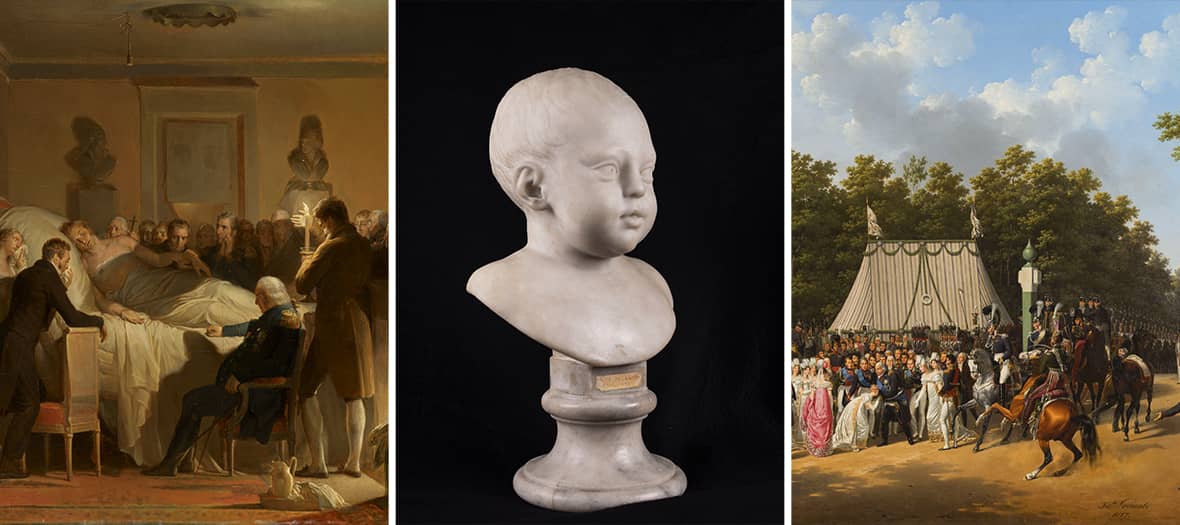
When making Marie Antoinette, Sofia Coppola drew inspiration from her. The poster for Chéreau’s Queen Margot, showing the blood-stained dress of her husband, also takes its cue from her story. This Sicilian princess, who arrived in France after the fall of Napoleon I to marry one of Louis XVI’s great-nephews, is a forgotten figure in our cultural imagination… despite having led a life worthy of a novel! After her husband was assassinated in 1820, she became the mother of an heir whose legitimacy had to be defended in a politically divided France. To make people love the future king, the first step was therefore to make them love his mother. And Marie-Caroline of Bourbon-Two Sicilies understood something before everyone else: image is something you can work on.
In the 19th century, as the press, theatre and prints shaped public opinion, every work on display reflects the duchess’s own communication strategy: the paintings she commissioned to promote her image were the paparazzi calls of their day! The duchess did not simply settle for being a princess: she became her own press officer.
© GrandPalaisRmn (Château de Pau) / Adrien Didierjean © Château de Versailles, Dist. GrandPalaisRmn / Christophe Fouin.
A woman of taste
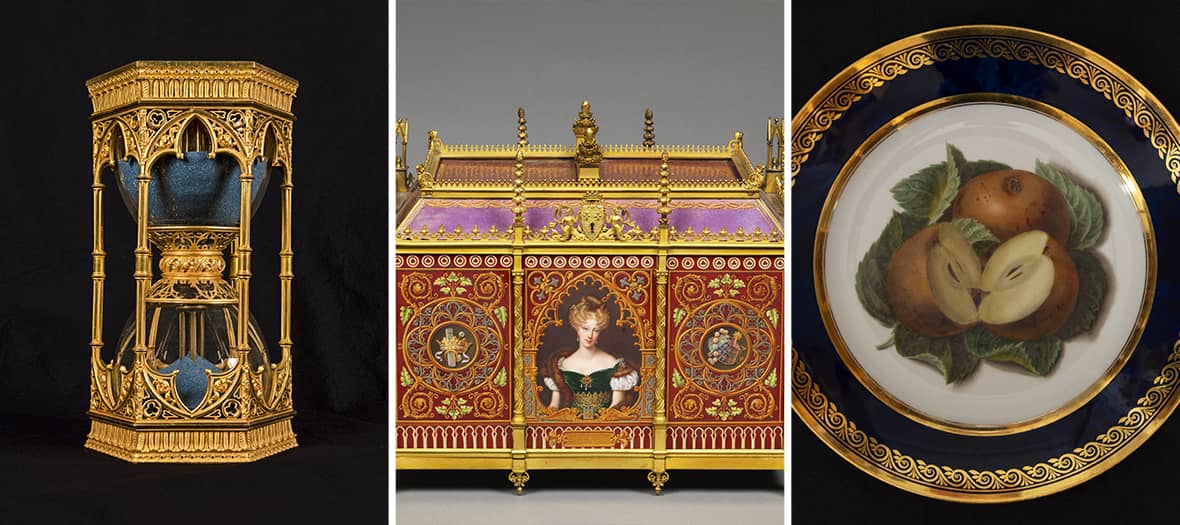
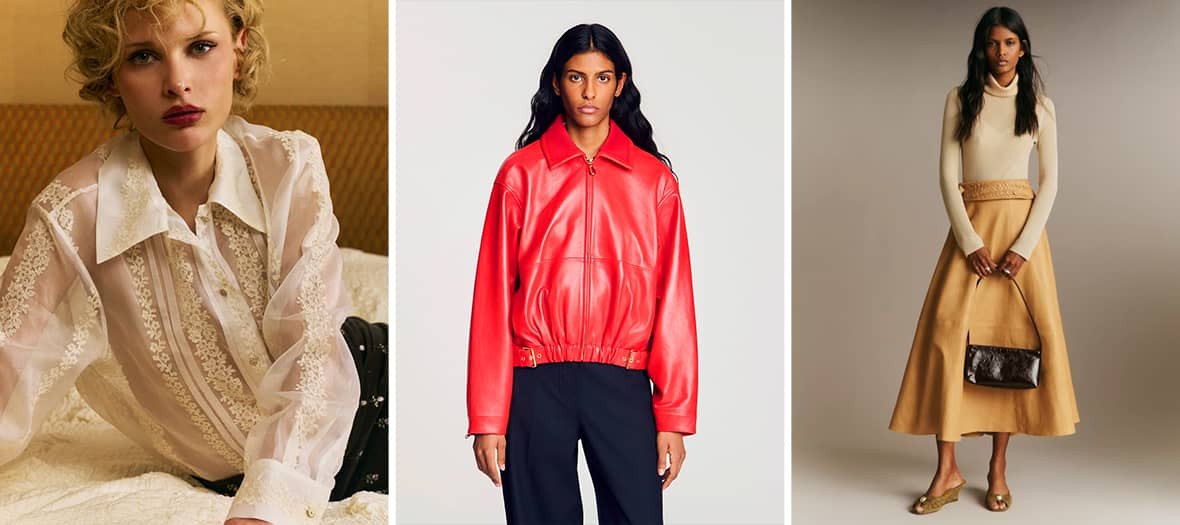
Oh, the pretty things fit for a princess! Porcelain services, jewellery boxes, works of art and handcrafted objects punctuate the exhibition and reveal another side of the princess: her love of beautiful things. A shopping addict, Marie-Caroline, like a pop star in the middle of a rebranding campaign, surrounded herself with the best designers — or rather, shopkeepers — by becoming one of their regular clients. At the royal court just as at the Met Gala, THE right outfit became a powerful tool of political seduction. By collecting and showcasing her taste for French art and decorative objects, she forged a connection with the provinces and helped construct her image as a princess close to the kingdom. For Marie-Caroline, fashion, interior design and art were never far removed from politics.
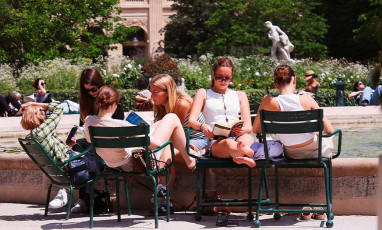
The exhibition thus allows visitors to discover the Duchess of Berry not merely as a secondary figure of the Bourbon Restoration, but as a woman who perfectly mastered the codes of her time and understood the power of representation. An exhibition designed for history buffs, admirers of boss ladies and fans of royal gossip. In other words: here is the perfect excuse to head to Sceaux with a picnic under your arm and settle into the château’s magnificent gardens for an afternoon of playing princess — even without a title of nobility.
Former Stables of the Domaine de Sceaux. From September 13, 2026 to February 14, 2027. Open daily except Mondays and certain public holidays. From March 1 to October 31, open from 2 p.m. to 6:30 p.m. From November 1 to February 28, open from 1 p.m. to 5 p.m.
Discover also Tintoretto, the rebellious master at Musée Jacquemart-André
©CD92, Château de Sceaux, departmental museum / Photographer: Julien Garraud © Musée du Louvre, Dist. GrandPalaisRmn / Philippe Fuzeau © CD92, Château de Sceaux, departmental museum / Photographer: Julien Garraud