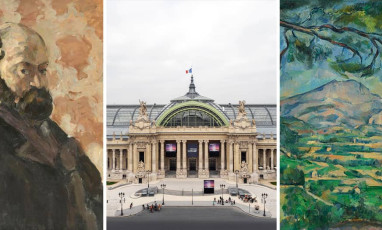



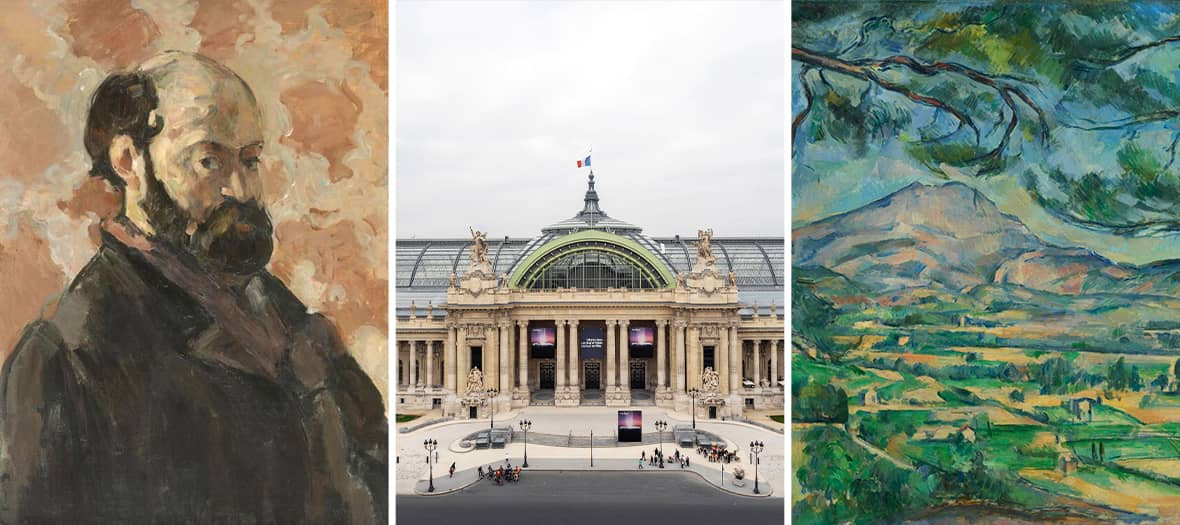
Art history buffs and fans of modern painting will be making a beeline for the Grand Palais from September 23, 2026 to January 17, 2027. And for good reason: “Cezanne and Us” is already shaping up to be one of the must-see exhibitions of the cultural season! This vast retrospective exploring the career of the master of color traces his artistic journey while examining his work as a source of inspiration for entire generations of artists. An absolute must-see to book as soon as possible.
An endless legacy
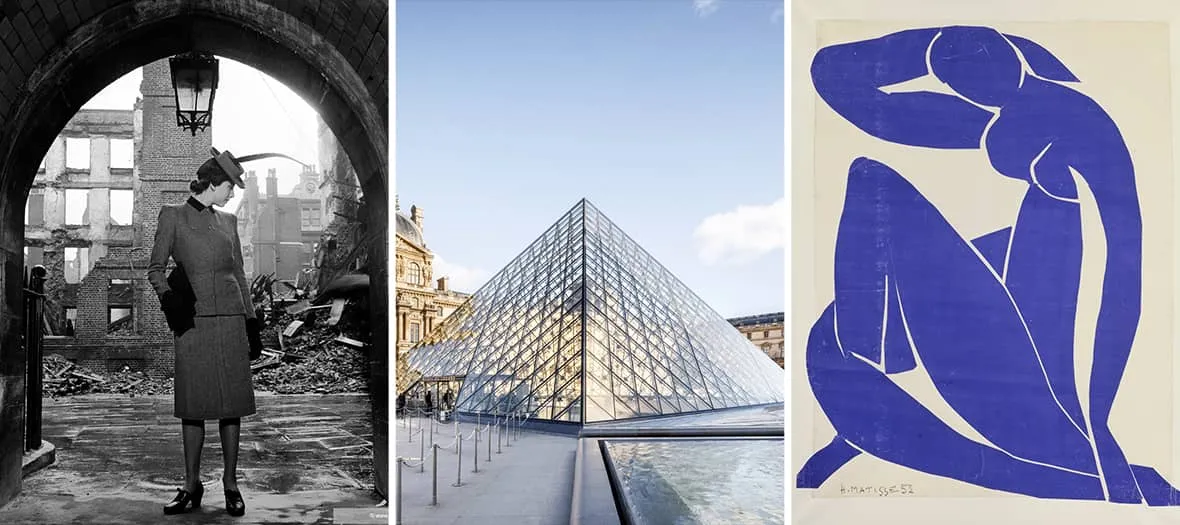
“There’s some serious stuff, as the youngsters say,” promises Michel Gauthier, one of the exhibition’s curators, before the tour begins. And serious stuff there is: spread across two floors and 18 galleries, 69 works by the painter take us from his early days to the end of his career, alongside 105 works by the many artists he inspired, from the 19th century through to the 2000s. What is the exhibition’s aim? To examine the legacy of his work and understand his influence. The father of modernity certainly earned his title: from Cubism to Abstract Expressionism, via Op Art and geometric abstraction, the Cezanne touch can be found everywhere! By bringing his works into dialogue with those of Picasso, Mondrian, Matisse, Malevich and Soulages, the exhibition’s thoughtful scenography reveals the sheer breadth of his influence, from his own era right through to the present day.
A feast for the eyes
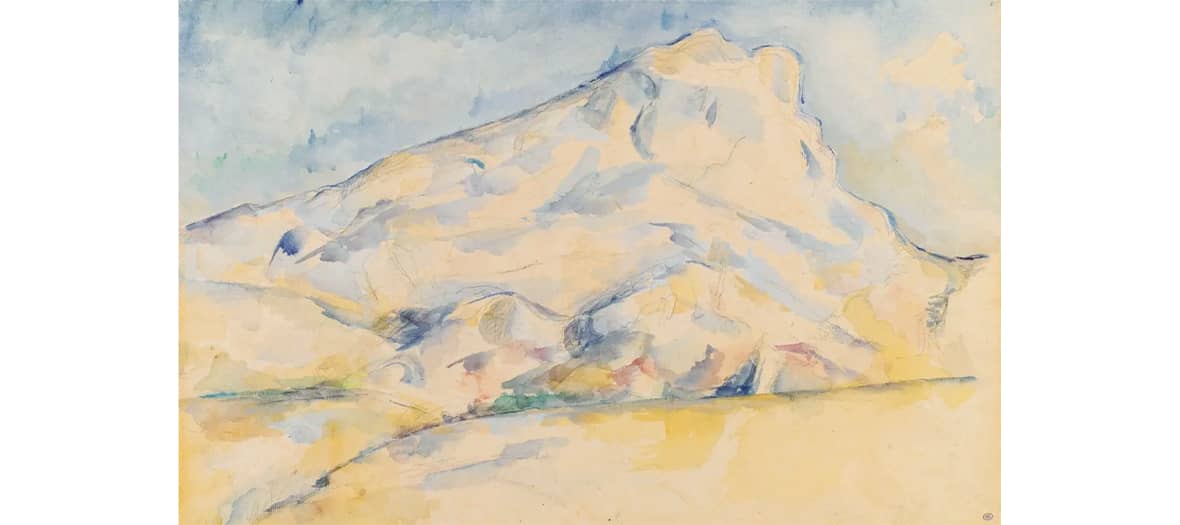
Watching paintings and sculptures by some 78 artistic geniuses unfold before your eyes makes this exhibition simply unmissable. Organized around the themes that obsessed the painter, the tour has you whispering “oh” and “ah” in every new gallery. Prepare to be dazzled by the sheer number of masterpieces on display! Alongside Cezanne’s Bathers stand Matisse’s magnificent bronze sculptures Back. Apples, apples, apples roll through gallery fourteen, where one of Cezanne’s favorite subjects inspired Warhol’s pop painting Peaches and Roy Lichtenstein’s Two Apples. His still lifes of geometric forms provided the starting point for The Breads by Picasso, as well as for the entire Cubist movement! The final gallery focuses on the many paintings of Mont Sainte-Victoire, the landscape so beloved by the painter from Aix. Contemporary artists such as Vera Molnar and Bertrand Lavier take up the subject and reinterpret it, continuing the endless dialogue with this iconic landscape of southern France, but also with Cezanne’s work, which continues to be a major reference more than a century after his death.
Cezanne and Us at the Grand Palais. 17 avenue du Général Eisenhower, Paris 8th. Open Tuesday to Sunday from 10 a.m. to 7:30 p.m., with late opening on Fridays until 10 p.m.
Discover also The princess exhibition to see at Château de Sceaux and Brothers reunites the wild McConaughey / Harrelson duo